Ancient Ink: Bridging Myth and Modern Typography
In the vast landscape of digital typography, most fonts strive for invisibility. They aim to be clean, neutral vessels for information, disappearing so that the message can shine. However, there exists a category of typefaces that demand attention, not through noise, but through history. Ancient Ink is one such typeface. It is not merely a collection of glyphs; it is a visual narrative inspired by the runic language, a script once considered sacred and, in some traditions, the very language of the gods. By adapting these special features into a unique script compatible with modern communication, Ancient Ink offers designers and creators a powerful tool to evoke mystery, authority, and timeless elegance.
The Sacred Origins of Runic Inspiration
To truly appreciate the value of Ancient Ink, one must understand the soil from which it grew. Runes were not just letters; they were symbols of power. In ancient Northern European cultures, the act of carving a rune was believed to invoke the essence of what it represented. This spiritual weight is difficult to capture in a digital file, yet Ancient Ink manages to communicate this heritage through its structural design.
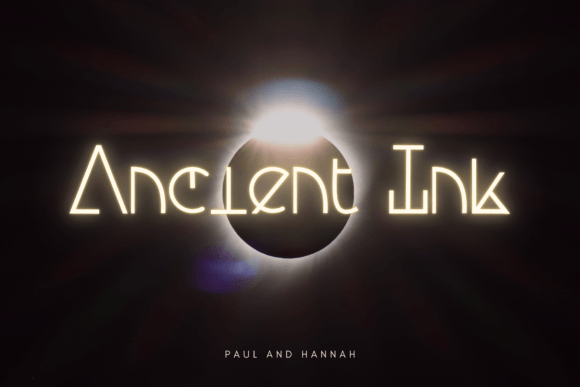
The font retains the angular, carved aesthetic of traditional runes but softens them slightly for contemporary readability. This balance is crucial. A purely historical reproduction might feel alienating or difficult to read on a screen. Ancient Ink, however, translates those "special features" into a format that feels familiar yet distinct. It bridges the gap between the archaic and the accessible, allowing modern users to tap into the psychological resonance of ancient scripts without sacrificing usability.
Key Characteristics and Design Features
What sets Ancient Ink apart from other display fonts? The answer lies in its deliberate imperfections and structural integrity. Here are the core characteristics that define its identity:
- Angular Geometry: Unlike serif fonts that rely on curved brackets, Ancient Ink uses sharp, decisive angles. This mimics the physical act of carving into stone or wood, giving each letter a tactile quality.
- Uniform Stroke Weight: The font maintains a consistent thickness across all characters. This uniformity ensures that the text remains legible even at smaller sizes, a common pitfall for many decorative runic-style fonts.
- Distinctive Ligatures: Certain letter combinations are designed to flow into one another, echoing the continuous carvings found on historical artifacts. These ligatures add a layer of sophistication and authenticity to longer words.
- Cultural Adaptation: While inspired by runes, Ancient Ink includes a full set of modern Latin characters, numbers, and punctuation. This makes it a functional tool for English and other Western languages, not just a novelty for short phrases.
Practical Applications for Creators and Businesses
Who benefits from using Ancient Ink? The answer is broader than one might expect. While it is obviously suited for fantasy-themed projects, its utility extends into branding, education, and artistic expression. Below are several real-world scenarios where this typeface adds significant value.
Branding for Artisanal and Heritage Products
For businesses that rely on a narrative of craftsmanship, tradition, or natural ingredients, Ancient Ink can be a powerful branding element. Consider a small-batch whiskey distillery, a handcrafted leather goods company, or an organic skincare brand. Using Ancient Ink in their logo or packaging design immediately signals authenticity and timelessness. It suggests that the product is rooted in old-world methods, appealing to consumers who value quality over mass production.
Gaming and Entertainment Media
The gaming industry, particularly the role-playing game (RPG) sector, thrives on immersion. Game developers and dungeon masters alike can use Ancient Ink to create in-game documents, spell books, or map legends. Because the font is inspired by the "language of gods," it naturally fits narratives involving magic, ancient civilizations, or mythical quests. It enhances the player's experience by making the fictional world feel historically grounded.
Educational and Historical Content
Educators and content creators focusing on history, linguistics, or mythology can use Ancient Ink to visually differentiate quotes from ancient texts or to highlight key terms related to Norse or Germanic history. It serves as a visual cue to the reader that the content is shifting from modern analysis to historical context. However, it is important to use it sparingly in this context to maintain readability for students.
Evaluating Suitability: When to Use and When to Avoid
While Ancient Ink is versatile, it is not a universal solution. Understanding its limitations is just as important as recognizing its strengths. A thoughtful approach to typography ensures that the font enhances rather than distracts from your message.
- Avoid Long-Form Body Text: Despite its readability improvements, Ancient Ink is primarily a display font. Using it for paragraphs of text can cause eye strain due to its angular nature. Reserve it for headlines, subheadings, and short captions.
- Consider the Tone: If your project requires a light, playful, or ultra-modern tech aesthetic, Ancient Ink may feel too heavy or serious. It carries a weight of gravitas that might clash with casual or humorous content.
- Check Legibility at Small Sizes: Always test the font at the intended size. While it performs well, intricate details may blur on low-resolution screens or when printed very small. Ensure that the angular cuts remain distinct.
- Pairing with Complementary Fonts: Ancient Ink works best when paired with a clean, neutral sans-serif font for body text. This contrast allows the runic inspiration to stand out as a feature while keeping the overall design balanced and professional.
The Psychological Impact of Sacred Script
Why do we respond to fonts like Ancient Ink? Psychology tells us that humans are pattern-recognition machines. We associate certain shapes with certain feelings. The sharp, carved lines of runic-inspired typography trigger associations with durability, strength, and mystery. When a viewer sees Ancient Ink, they subconsciously register a connection to something older and more permanent than the fleeting digital content surrounding them.
This "sacred" quality, as mentioned in its inspiration, can lend authority to a message. It is not just about aesthetics; it is about trust. A brand using Ancient Ink is subtly communicating that it has depth, history, and substance. For professionals seeking to establish credibility in niche markets, this subtle psychological cue can be invaluable.
Integrating Ancient Ink into Your Workflow
For designers and business owners ready to incorporate this unique script, the process is straightforward. Most modern design software supports OpenType features, allowing you to access the full range of characters and ligatures available in Ancient Ink. Start by experimenting with all-caps settings, as this often highlights the symmetrical beauty of the runic structures. Then, try mixing uppercase and lowercase to see how the font handles sentence case.
Remember, the goal is not to recreate an ancient artifact perfectly, but to evoke its spirit. Use Ancient Ink to tell a story. Whether you are designing a book cover, a website header, or a product label, let the font guide the tone. Allow the "language of gods" to elevate your ordinary text into something extraordinary.
Final Thoughts on Timeless Design
In a world saturated with minimalist, geometric fonts, Ancient Ink offers a refreshing return to character and history. It reminds us that writing was once a sacred act, a way to connect with the divine and the eternal. By adapting these ancient features for modern use, this font provides a unique bridge between past and present. For creators willing to look beyond the conventional, Ancient Ink is not just a tool—it is an invitation to explore the deeper roots of communication. Use it wisely, and your designs will resonate with a power that transcends trends.